Residential · Drawing E-105
Rewiring older homes in Calgary
More than a third of Calgary’s occupied homes were built in 1980 or earlier. Here is how to find out what is behind the walls of yours, and what fixing it involves.
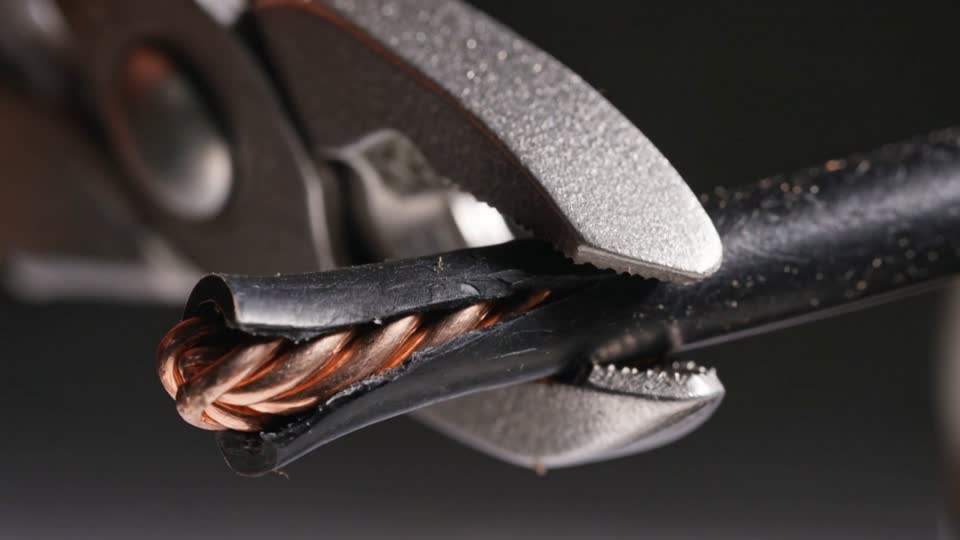
“Rewiring” covers everything from making safe a few aluminum connections to replacing every circuit in a 1950s bungalow. The right scope depends on what the house actually has, which no census, permit record or listing can tell you. It takes a careful look by an electrician.
CCT 01How old is Calgary’s housing stock?
At the 2021 Census, 176,890 of the City’s 502,305 occupied private dwellings, or 35.2%, were built in 1980 or earlier.1 The biggest single group of all was built between 1961 and 1980: 133,035 homes.1 Another 43,855 date from 1960 or before.1
| Built | Dwellings |
|---|---|
| 1960 or before | 43,855 |
| 1961 to 1980 | 133,035 |
| 1981 to 1990 | 59,780 |
| 1991 to 2000 | 75,685 |
The rows come from the same census release: 59,780 homes were built from 1981 to 19901 and 75,685 from 1991 to 2000.1 In the City’s community data, 44 residential communities carry a 1950s planning-era label2 and 45 carry a 1960s/1970s label.2 Those labels describe when a community was laid out, not when a particular house was built.
What the numbers do not say. The census records the age of a home, not its wiring. No public source counts how many Calgary homes still have knob-and-tube, aluminum branch circuits or a 60 A service. Many older houses have been partly or fully rewired, and some newer ones have poor renovations. Age tells you where to look. It tells you nothing about what you will find.
CCT 02The four things an electrician looks for
Knob-and-tube
Ontario’s Electrical Safety Authority dates knob-and-tube wiring to homes built from the early 1900s to the 1940s.3 It is two separate insulated conductors run on ceramic knobs and through ceramic tubes, with no ground conductor. The concerns are practical: cloth and rubber insulation that has gone brittle, circuits that were later buried in blown-in attic insulation, splices added by past owners, and fuses swapped for larger ones than the wire can carry.
Aluminum branch-circuit wiring
The ESA says a home built between the mid-1960s and late 1970s may have aluminum wiring, and that aluminum wiring is safe when proper connections and terminations are made without damaging the wire.4 The weak point is the connection: aluminum terminated on a switch, receptacle or connector not approved for it can loosen and overheat. The ESA’s condition is that only devices approved for aluminum are used. See the aluminum wiring guide for how to spot it.
Ungrounded two-wire circuits
Many mid-century homes have sheathed cable without a bonding conductor. Three-prong receptacles on those circuits give a false sense of protection unless an electrician has corrected them.
A small service and an old panel
A 60 A service or a fuse panel limits what can be added. It often decides whether a rewire also becomes a panel and service upgrade. Some older breaker panels also get questions from insurers; see Federal Pioneer and older panels.
CCT 03How an assessment works
An assessment should end with a written description of what the house has, circuit by circuit, before anyone talks about scope. A thorough electrician will:
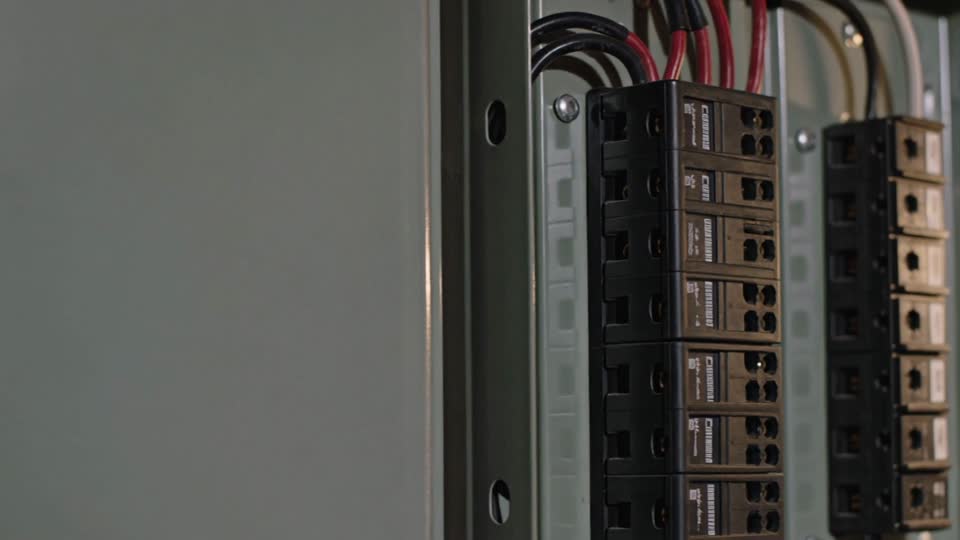
- open the panel and record the service size, the panel make, how each circuit is protected, and any double-tapped or oversized breakers or fuses;
- read the cable jackets where they are visible, in the unfinished basement, at the panel and in the attic, to identify conductor type and era;
- remove a sample of switch and receptacle covers, especially on circuits that feel warm, flicker or have been renovated;
- look for live knob-and-tube in the attic and joists, and check whether insulation covers it;
- test for a ground at receptacles and check smoke alarms and bathroom and kitchen protection.
A home inspection before purchase is a screen, not this assessment. If you are buying, read the electrical check before you buy. If the symptom is a tripping breaker or warm outlet rather than a planned project, start with troubleshooting.
The City’s public electrical permit data cannot answer the question for you either. It has no scope field, so it cannot show which homes were rewired or when.5
CCT 04Repair, remediate or rewire
Alberta generally does not require an old installation to be brought up to the current code. Alberta Municipal Affairs states that an existing installation that met the code in force when it was installed generally does not have to be upgraded to a new edition.6 New work is different: anything altered or added must meet the code in force when the permit is issued, and since April 1, 2025 that is the 2024 Canadian Electrical Code.7
That gives four realistic scopes:
- Targeted repair. Fix the specific faults the assessment found: failed devices, overheated splices, over-fused circuits.
- Aluminum remediation. Keep the aluminum conductors but make every termination with connectors and devices approved for aluminum. It is less disruptive than replacement, but it touches every box in the house.
- Partial rewire. Replace the circuits that are hardest to trust, often the knob-and-tube in the attic and upper floor, or the kitchen and bathrooms during a renovation.
- Whole-house rewire. New cable to every outlet, usually with a new panel and often a larger service.
New circuits bring current-code protection with them. The City’s homeowner guide says dwelling branch circuits supplying 125 V outlets rated 20 A or less need combination-type AFCI protection.8 Smoke alarms are another common add: the building code requires multiple alarms in a home to be interconnected.9 See GFCI and AFCI protection.
CCT 05How a rewire runs in an occupied Calgary home
Most rewires happen with people living in the house, so the work is planned room by room.
- Scope and drawings. The contractor marks every new outlet, switch and circuit, and identifies the cable routes: the basement ceiling, closets, the attic and chases behind cabinets.
- Permit. Section 8(1) of Alberta’s Permit Regulation requires a permit in the electrical discipline to install, alter or add to an electrical system.10 In Alberta, master electricians are the only contractors who can obtain electrical permits.11
- Fishing and rough-in. New cable is pulled through existing walls wherever possible, with small access openings instead of stripped walls. Old circuits stay live until each new one is ready.
- Service work, if any. If the panel or service changes, the contractor books an ENMAX temporary disconnect and reconnect, which covers replacing a main panel, meter socket or mast.12 ENMAX needs at least 3 business days’ notice.12
- Inspection. The City inspects the work. Drywall does not have to be finished before the electrical final inspection in Calgary.13
- Patching and paint. These are usually outside the electrical contract. Settle who does them before work starts.
Inspection is not a formality. In 2025, 15.6% of Calgary electrical inspections with a pass/fail result were marked “Not Acceptable”.5 Read more in electrical permits in Calgary.
Safety
Electrical work in Alberta needs a permit, and most of it must be done by a certified electrician. A homeowner permit covers limited work, only in a home you live in. It never covers the main panel, main breaker or meter base.13 Old wiring can be energized even when a switch is off, and knob-and-tube circuits are often shared in unexpected ways. Never open a panel or work on energized equipment.
CCT 06Permits and who can do the work
Calgary requires an electrical permit for all new wiring and whenever existing branch-circuit wiring is extended or altered.13 A rewire always needs one.
A homeowner permit is possible only if you live in the home or intend to, and rental properties are not eligible.13 Even then, it does not cover the main service. There is also a trap for anyone buying a house with a past owner’s work: if unpermitted wiring is already concealed behind drywall, the City will not issue a homeowner permit for it. The owner must hire a licensed electrical contractor, and the inspector may ask for drywall to be opened.13 See homeowner electrical permits.
A contractor permit in 2026 costs a $112 processing fee plus $9.79 for every $1,000 of construction value, plus the Safety Codes Council levy.14 Construction value means labour and material together.14 The full schedule is on electrical permit fees in Calgary.
CCT 07What drives the cost of a rewire
No public body publishes a price for rewiring a house in Calgary, and this page will not invent a range. The price is driven by:
- Access. An unfinished basement and an open attic make cable routes easy. Plaster and lath, finished basements, cathedral ceilings and deep blown-in insulation make them slow.
- Number of circuits and devices. Every outlet, switch and fixture is a termination to make and inspect.
- Service and panel. Whether a new panel or a larger service is added, and how much ENMAX work that triggers.
- Hazardous materials. Vermiculite insulation or suspect plaster may need testing before anyone disturbs it.
- Repairs and finishing. Patching, paint and trim, and who is responsible for them.
- Permit and inspection. The permit fee scales with job value.
To put an older quote in context: Statistics Canada’s electrical-trade price index for Calgary residential buildings rose 0.6% in the year to Q2 202615 and stands 9.9% above its 2023 base.15 That index tracks contractors’ costs for model buildings. It is not a price for your job. The rewiring cost guide explains these drivers in more depth.
CCT 08Insurance, selling and documentation
Insurers often ask about older wiring by name. Ontario’s ESA notes that many insurers will not provide or renew coverage on homes with knob-and-tube, and some require it to be replaced first.3 Alberta insurers set their own underwriting rules, so ask yours directly which systems they ask about and what documentation they accept.
Whatever you do, keep the paper: the electrician’s written assessment, the permit number, the inspection results and a circuit directory for the panel. Those documents answer an insurer’s questionnaire and a buyer’s inspector far better than “it was rewired at some point”. When you compare quotes, check that each one is for the same scope. See hiring an electrician for what to ask.
Questions people ask
Is knob and tube wiring illegal in Canada?
Existing knob-and-tube is not illegal in Alberta simply because it is old. An installation that met the code when it was installed generally does not have to be upgraded to a new edition.6 New or altered work must meet the current code, and insurers may refuse or price the risk regardless of legality. A written assessment tells you whether yours is still sound.
When was aluminum wiring used in Alberta?
No Alberta body publishes a date range. Ontario’s ESA says homes built between the mid-1960s and late 1970s may have aluminum wiring.4 In Calgary, 133,035 occupied homes date from 1961 to 1980,1 but no source counts how many of them have aluminum. Check the cable jackets at the panel or in the basement, or ask an electrician to confirm.
Is aluminum wiring safe in a house?
The ESA says aluminum wiring is safe when proper connections and terminations are made without damaging the wire, using devices approved for aluminum.4 The risk is in the connections, so the fix is usually the connections: approved connectors and devices at every termination, or replacing the circuits.
How much does it cost to rewire a house in Calgary?
There is no official price. The cost depends on access, the number of circuits, whether the panel or service changes, hazardous materials and who does the patching. The permit adds $9.79 per $1,000 of construction value on top of a $112 processing fee.14 Ask for quotes on the same written scope.
Can I rewire my own house in Calgary?
Sources
- Census Profile, 2021 Census of Population - Calgary, City (CY) [Census subdivision], AlbertaStatistics Canada · 2021 Census (May 11, 2021); profile table released 2023-11-15
- Community Points (Open Calgary dataset j9ps-fyst)City of Calgary · dataset updated 2026-02-19; queried 2026-09-25
- Knob and Tube WiringElectrical Safety Authority (Ontario) · accessed 2026-09-25
- Aluminum WiringElectrical Safety Authority (Ontario) · accessed 2026-09-25
- Electrical Permits and Inspections (dataset vxgy-id5s)The City of Calgary, Open Government Licence – City of Calgary · queried 2026-09-25
- STANDATA bulletin 24-ECB-000 Object, scope, and definitionsAlberta Municipal Affairs · April 2025
- Notice: New Canadian Electrical Code, Part 1 (April 2025)Alberta Municipal Affairs · April 2025
- Homeowners electrical wiring guideCity of Calgary · copyright 2024; includes 2021 CE Code amendments
- STANDATA bulletin 24-ECB-032 Fire alarm systems, smoke alarms, carbon monoxide alarms, and fire pumpsAlberta Municipal Affairs · April 2025
- Permit Regulation, Alta Reg 204/2007 (office consolidation)Alberta King's Printer · consolidation current as of 2024-11-20
- About Master ElectriciansSafety Codes Council · retrieved 2026-09-25
- Temporary disconnect / reconnectENMAX Power Corporation · retrieved 2026-09-25
- Homeowner electrical and plumbing permitsCity of Calgary · retrieved 2026-09-25
- 2026 Building & Trade Permit Fee Schedule (R2026-02)City of Calgary · 2026 schedule R2026-02
- Table 18-10-0289-01 Building construction price indexes, by type of building and divisionStatistics Canada · Q2 2026 (April-June 2026); released 2026-07-24; derived 2026-09-25
Related
-
 E-101
Panel & service upgrades
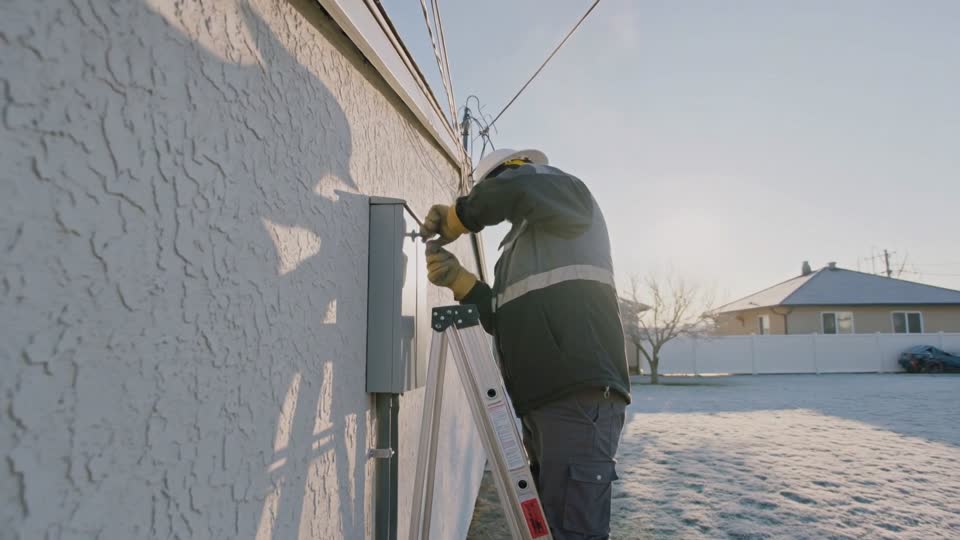
Replacing an old panel or raising a 60 or 100 A service to 200 A: what it involves, who does which part, and what drives the price.
E-101
Panel & service upgrades
Replacing an old panel or raising a 60 or 100 A service to 200 A: what it involves, who does which part, and what drives the price.
-
 E-102
EV charger installation
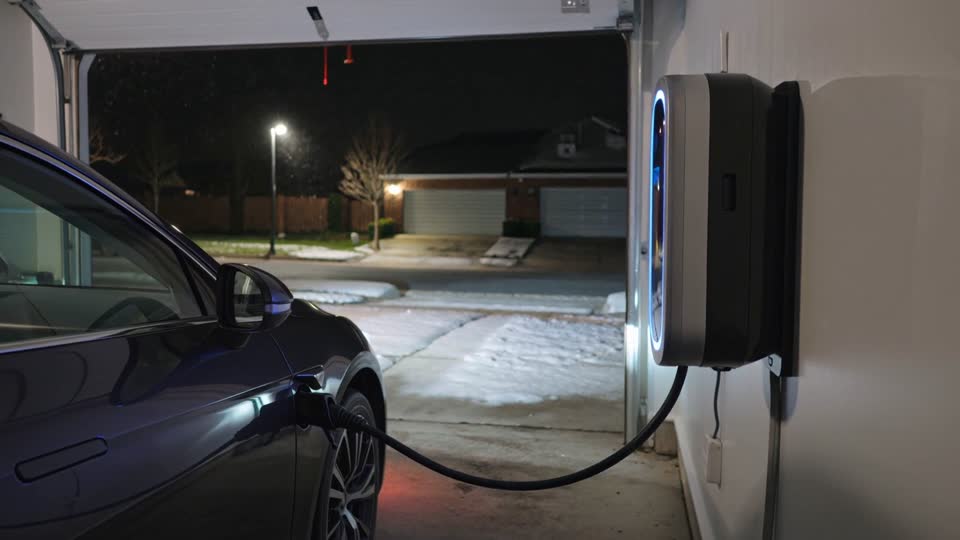
Level 2 charging at home: circuit sizing, whether your panel can carry it, load management, permits and winter charging.
E-102
EV charger installation
Level 2 charging at home: circuit sizing, whether your panel can carry it, load management, permits and winter charging.
-
 E-103
Basement & renovation wiring
Wiring a basement development, secondary suite, kitchen or addition: rough-in, inspections and the circuits the code expects.
E-103
Basement & renovation wiring
Wiring a basement development, secondary suite, kitchen or addition: rough-in, inspections and the circuits the code expects.