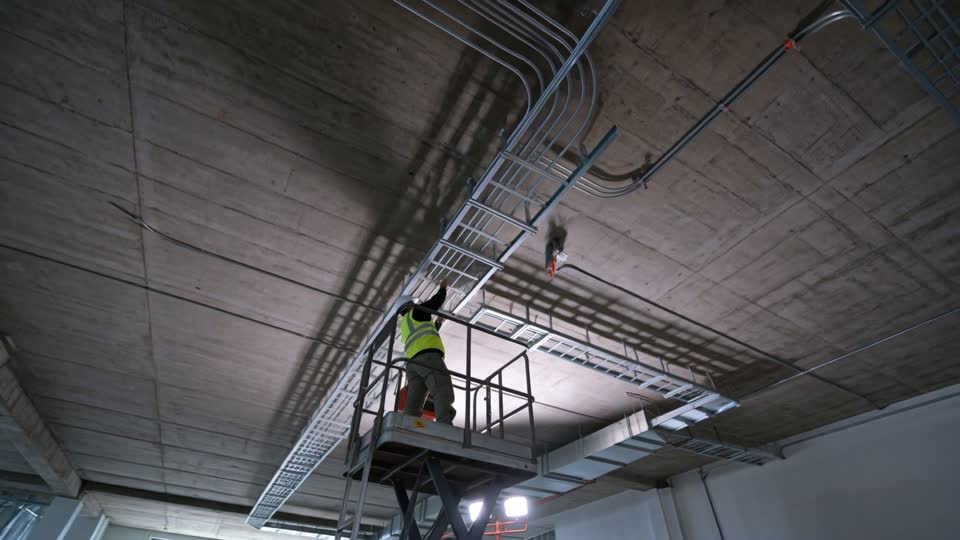
Commercial · Drawing E-206
Electrical for commercial new construction in Calgary
A new building’s electrical schedule is set by the utility, the permit and the inspection sequence as much as by the trades on site. This is that sequence for Calgary.
CCT 01The sequence from design to energization
On a new commercial or industrial building, the electrical work splits between the owner's electrical engineer, who designs the system and produces the drawings, and the electrical contractor, who permits, builds and commissions it. Under design-build the contractor carries both roles. Either way, the milestones that set the schedule sit outside the building:
- A calculated load and an early capacity inquiry to ENMAX.
- The utility application: service size and voltage, transformer location, investment level and ENMAX's written estimate.
- Temporary construction power.
- Design to the current electrical, building and energy codes, including fire alarm and emergency lighting.
- The electrical permit, and plan review where drawings are required.
- Staged inspections: underground, rough-in, service and final.
- Approval against ENMAX's metering standard, meter installation and energization through the retailer.
Each step has a lead time the trades cannot compress, so the general contractor's schedule should carry them as separate activities, not one line called "power".
CCT 02Capacity and the ENMAX application
Start with ENMAX before the design is fixed. The City of Calgary notes that when a development permit is circulated to ENMAX, ENMAX does not check or confirm that it has capacity for the proposed electrical service 1. A development permit is not a power approval. The City aims that advice at inner-city infill, but any site with a large load benefits from asking early.
ENMAX's investment levels decide how the cost of its new facilities is shared. In 2026 ENMAX invests $14,675 per meter for small commercial (D200) new load 2. Medium and large commercial (D300/D310) customers can instead take $367 per kVA of minimum contract demand on a 15-year agreement, $245 on 10 years or $122 on 5 years, up to 80% of anticipated maximum demand 2. The owner contributes the balance. ENMAX gives a written estimate showing the cost, its investment and the customer contribution, broken down by component when it exceeds $25,000 and ENMAX manages the work 3.
The service design follows ENMAX's rules. Services over 200 A need CT metering, with a CT request form and installation checklist 4. The customer provides, owns and installs a CSA-approved meter socket or enclosure 5. Power distribution and switchgear covers the service equipment in more detail, and the ENMAX service connection guide explains the utility side.
CCT 03Temporary construction power
Almost every site needs power long before the permanent service exists: site trailers, the tower crane and hoists, tools, and heat for concrete, drywall and finishes through a Calgary winter. In Calgary every temporary construction service, whatever its size, needs an HRC fused disconnect switch ahead of the meter 1. ENMAX treats a connection expected to be used for two years or less as temporary and can refuse to invest in it, charging the customer the cost of facilities, installation and removal less reusable material 3. Temporary power is therefore mostly an owner cost; put it in the budget, not contingency.
Plan the temporary service with the same care as the permanent one:
- Location. Keep it clear of the crane's swing and of overhead lines. Alberta's OHS Code requires the employer to set a safe limit of approach before equipment operates within 7 m of an overhead power line 6.
- Locates. Request locates through Utility Safety Partners 3 to 5 full working days before trenching 7, online or at 1-800-242-3447 7. In Alberta, 811 is Health Link, not a dig line 8. See click before you dig.
- Winter load. Calgary's heating design temperature is −30 °C and the city logs 5,000 heating degree-days a year 9, so temporary heat can be the largest load on the temporary service.
- Changeover. Decide when temporary loads move to the permanent service, and who removes the temporary equipment.
Safety
Electrical work in Alberta needs a permit, and it must be done by a certified electrician or a registered apprentice under supervision. Homeowner permits cover only an owner-occupied single-family home and never apply to a commercial site. Temporary services on construction sites are energized, exposed to weather and moved often: only the electrical contractor should connect, extend or relocate them, and nobody should work on them live.
CCT 04Drawings, permits and plan review
The City requires plans and drawings for new construction or service upgrades of 600 A and higher, and for all high-voltage installations 1. Commercial base building work and each tenant space need separate electrical permits; the base building permit covers items such as individual bays, fire alarm, HVAC and emergency lighting 1. Fire alarm work needs both an electrical permit and a building permit 1, and where the building's size or occupancy requires professional involvement, the drawings or letters must be signed and stamped by a professional engineer registered in Alberta 10. The finished system is verified to CAN/ULC-S537 under the National Building Code – 2023 Alberta Edition 11.
Only a contractor meeting three City requirements can take out the electrical permit: an Alberta Master Electrician Certificate, a City business licence and completion of the City's qualified-trade application 1. The 2026 fee is $112 plus $9.79 per $1,000 of construction value 12, plus a Safety Codes Council fee of 4% capped at $560 12. Unlike new single, semi-detached and duplex dwellings, whose trade permits are included in the building permit fee 12, a commercial building carries its own electrical permit. Additional plans review on non-residential permits is billed at $119 an hour 12.
Contractor trade permits expire 330 days after they are issued 13, which a long build can outlast. An extension costs $112 plus 10% of the permit fee, with a $112 minimum and an $8,852 maximum 12. The City publishes building permit targets, 21 calendar days for a minor tenant improvement 14, but we found no published processing time for electrical permits. The permit fee guide has the full schedule.
CCT 05Which codes apply: CEC 2024 and NECB 2020
The electrical code in force in Alberta is CSA C22.1-24, the 2024 Canadian Electrical Code, in force since April 1, 2025 15. The cut-over follows the permit date: work permitted before April 1, 2025 under the 2021 code is compliant, and installations permitted on or after that date must meet the 2024 code 16. A project designed in 2024 but permitted later is built to the newer edition, so check that the drawings were updated. The electrical code guide explains how Alberta adopts each edition.
The energy code matters as much for electrical design. The National Energy Code of Canada for Buildings 2020 came into force in Alberta on May 1, 2024, alongside the 2023 Alberta editions of the building and fire codes 17. Alberta applies Tier 1 of NECB 2020 as the minimum for buildings outside Part 9 17. For the electrical engineer, that means demonstrating compliance on installed lighting power, automatic lighting controls and other electrical measures in the design, not leaving it to the contractor to fix in the field.
Some rules are small but catch projects at inspection. Receptacles for emergency lighting unit equipment, for example, must be at least 2.5 m above the floor where practicable and within 1.5 m of the unit (Rule 46-304) 18.
CCT 06Inspections, metering and energization
The City's electrical inspection records use four stages: Underground, Rough, Service and Final 19. Underground work is inspected before backfill, rough-in before walls and ceilings close, the service before the utility connects it, and the final at completion. Each failed inspection costs time and money: across all electrical permits, 15.6% of 2025 inspections with a pass or fail result were marked Not Acceptable 19, and a re-inspection costs $327 including the Safety Codes Council fee and GST 12.
Energization follows its own path. The site must be approved by the electrical inspection authority against ENMAX's metering standard before ENMAX energizes it, and energization is requested through the customer's retailer 4. A new ENMAX site ID can take up to 48 hours to become available to retailers 4, so set up the retail contract well before the target date. ENMAX restricts contractors from handling meters 1, and a failed energization caused by deficient equipment or code problems adds a $90.00 extra-trip charge 20.
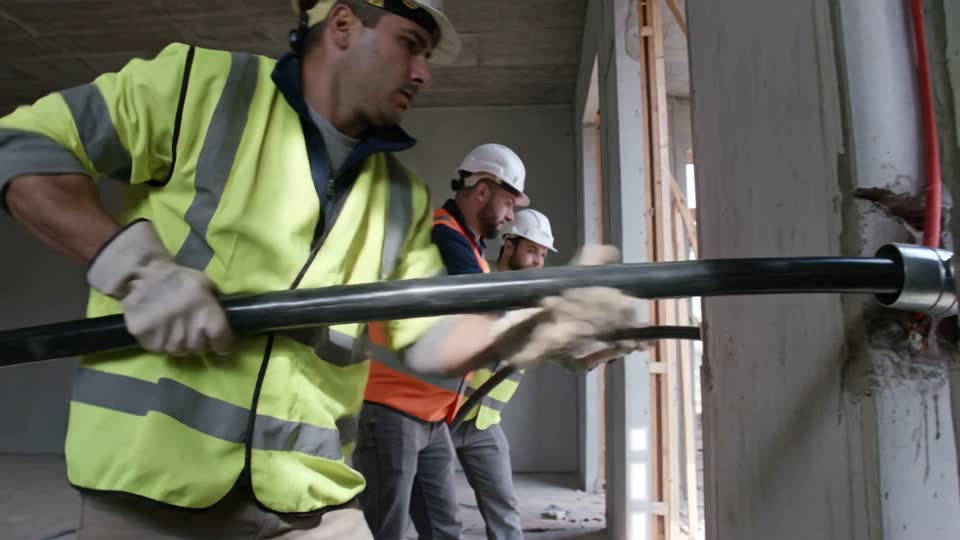
CCT 07What Calgary’s permit data shows about new construction
The City of Calgary issued 13,185 contractor electrical permits for new construction in 2025, against 6,540 in 2019. Across 2023 to 2025 there were 35,454; of those whose address matched the assessment roll, 26,859 were at residential properties and 2,235 at non-residential properties, while 6,349 did not match, likely because many new addresses are not yet on the roll 19. One permit can cover a whole building, so these are permit counts, not buildings or jobs. The Calgary electrical data page has the full series.
Non-residential activity is climbing. Non-residential building permit applications to the City were worth an estimated $2,188,893,959 from January to July 2026, up 79% on the same period of 2025 21. Construction costs for the trade are steadier: Statistics Canada's electrical-division index for Calgary non-residential buildings rose 1.0% in the year to the second quarter of 2026 22, while the all-trades non-residential index rose 3.9% 22.
CCT 08Cost per square foot: why no official figure exists
Owners often ask for an electrical cost per square foot. No City, provincial or federal source publishes one for Calgary, and a figure from another market or building type would mislead. What drives the electrical budget on a new building:
- Occupancy and load density: a warehouse, an office, a restaurant and a lab need very different amounts of power per square metre.
- The service: size, voltage, transformer arrangement and the ENMAX contribution net of its investment.
- Temporary power, which ENMAX does not subsidize.
- Life safety: fire alarm, emergency lighting and any emergency generator (see standby power).
- Lighting and controls designed to NECB 2020, and any EV-ready parking (see commercial EV charging).
- Communications and security rough-in, schedule, winter conditions and escalation.
The permit is the one cost you can compute. As arithmetic on the published formula, a $2,000,000 electrical contract gives a base fee of $19,580 ($9.79 × 2,000), plus the $112 processing fee and the $560 Safety Codes Council maximum: $20,252 12. Commercial electrical cost explains how contractors tender the rest. When drawings are ready, request a quote and a person replies.
Questions people ask
What does electrical cost per square foot for new commercial construction in Calgary?
No official figure exists. The number depends on occupancy, load density, service size and the ENMAX contribution, temporary power, life-safety systems and energy-code lighting design. The one published cost is the City permit: $112 plus $9.79 per $1,000 of construction value 12.
How do I get temporary power for a construction site in Calgary?
Your electrical contractor applies to ENMAX and builds the temporary service, which in Calgary must have an HRC fused disconnect ahead of the meter regardless of size 1. Because ENMAX can decline to invest in a service used for two years or less, the owner usually pays the full cost of its facilities, installation and removal 3.
When are electrical drawings required for a Calgary permit?
How long does ENMAX take to connect a new commercial building?
ENMAX does not publish a standard lead time for new commercial connections; it depends on capacity, the work ENMAX must build and equipment availability. Once the site passes inspection, energization is requested through the retailer, and a new site ID can take up to 48 hours to reach retailers 4. Start the capacity conversation before design.
Which Canadian Electrical Code edition applies to my project?
It depends on the permit date. Installations permitted on or after April 1, 2025 must meet the 2024 code, CSA C22.1-24; work permitted earlier under the 2021 code remains compliant 16.
Sources
- Electrical permits for contractorsCity of Calgary · retrieved 2026-09-25
- ENMAX Power Corporation Distribution Tariff, Terms and Conditions Investment Level ScheduleENMAX Power Corporation · Effective January 1, 2026 (applies January 1 to December 31, 2026)
- ENMAX Power Corporation Distribution Tariff, Customer Terms and ConditionsENMAX Power Corporation · Effective January 1, 2026
- Get the power flowingENMAX Power Corporation · retrieved 2026-09-25
- ENMAX Power Corporation Distribution Tariff Customer Terms and ConditionsENMAX Power Corporation · effective 2026-01-01
- Occupational Health and Safety Code, Part 17 Overhead Power LinesGovernment of Alberta · retrieved 2026-09-25
- Notification ProcessUtility Safety Partners · retrieved 2026-09-25
- Health Link - 811Government of Alberta (MyHealth.Alberta.ca) · retrieved 2026-09-25
- National Building Code - 2023 Alberta Edition, Volume 1, Division B, Appendix C, Table C-2 Climatic Design Data for Selected Locations in AlbertaAlberta Municipal Affairs / National Research Council of Canada · 2023 Alberta Edition, second printing incl. revisions and errata released April 2026
- Complete Building Permit Application Requirement List - Commercial: Fire Alarm (repair/upgrading)City of Calgary · retrieved 2026-09-25
- STANDATA interpretation 23-BCI-011/24-ECI-009/23-FCI-006 Existing fire alarm systemsAlberta Municipal Affairs · March 2025
- 2026 Building & Trade Permit Fee Schedule (R2026-02)City of Calgary · 2026 schedule R2026-02
- Secondary suite permit costs and timelinesCity of Calgary · retrieved 2026-09-25
- Building Permit Process Guideline and Common QuestionsCity of Calgary · retrieved 2026-09-25
- Electrical codes and standardsGovernment of Alberta · retrieved 2026-09-25
- Notice: New Canadian Electrical Code, Part 1 (April 2025)Alberta Municipal Affairs · April 2025
- Notice: New Alberta codes editions (NBC(AE) 2023, NFC(AE) 2023, NECB 2020)Alberta Municipal Affairs · April 2024
- STANDATA interpretation 24-ECI-046 Emergency power supply, unit equipment, exit signs, and life safety systemsAlberta Municipal Affairs · April 2025
- Electrical Permits and Inspections (dataset vxgy-id5s)The City of Calgary, Open Government Licence – City of Calgary · queried 2026-09-25
- ENMAX Power Corporation Distribution Tariff, Terms and Conditions Fee ScheduleENMAX Power Corporation · Effective January 1, 2026
- Building Permit Application Statement, For the Period 2026/07/01 - 2026/07/31City of Calgary (Planning & Development, Building Regulations Division) · 2026 year to date, January to July; extracted 2026-08-05
- Table 18-10-0289-01 Building construction price indexes, by type of building and divisionStatistics Canada · Q2 2026 (April-June 2026); released 2026-07-24; derived 2026-09-25
Related
-
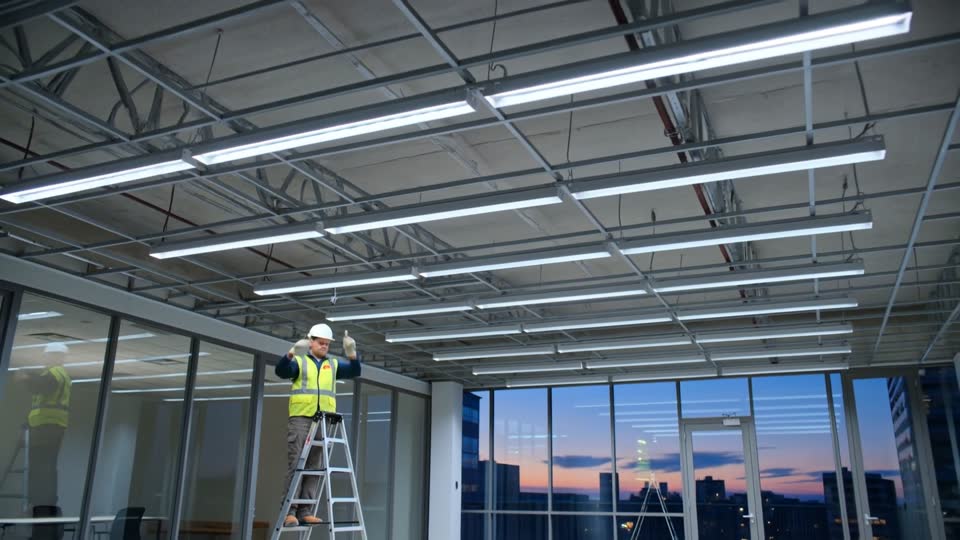 E-201
Tenant improvements
Office, retail and restaurant fit-outs: the drawings, permits, lighting, power and data an electrical contractor prices.
E-201
Tenant improvements
Office, retail and restaurant fit-outs: the drawings, permits, lighting, power and data an electrical contractor prices.
-
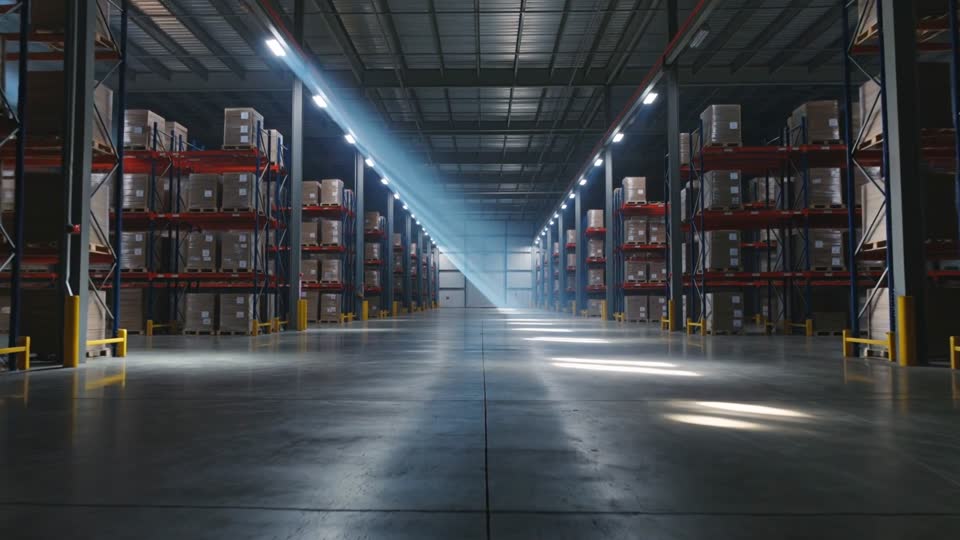 E-202
LED lighting retrofits
Replacing fluorescent, metal halide and HID lighting with LED and controls in warehouses, offices and parking structures.
E-202
LED lighting retrofits
Replacing fluorescent, metal halide and HID lighting with LED and controls in warehouses, offices and parking structures.
-
 E-203
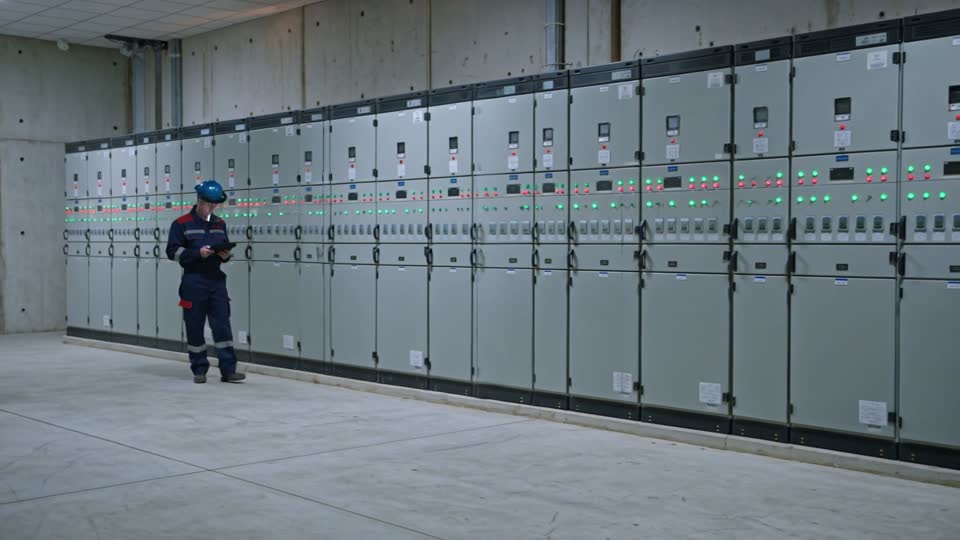
Power distribution & switchgear
Services, switchgear, transformers and distribution for commercial buildings: capacity, coordination and shutdown planning.
E-203
Power distribution & switchgear
Services, switchgear, transformers and distribution for commercial buildings: capacity, coordination and shutdown planning.